April Showers Bring May Flowers


As we are all so excited for spring it is very important to be aware of the environmental hazards that come with it. There are many plants and pesticides that can be in the home or back yard that are infamously poisonous to cats and dogs. Easter Lilies are among the most poisonous plant for cats. So for the men out there, if you plan to impress your lady with flowers avoid picking lilies. After a cat eats a few leaves from the Easter lily plant they can experience renal failure within two to three days

Unfortunately, dogs tend show up more often at the vet’s office due to their strong curiosity to explore. Amaryllis tends to be the most common toxic flower of choice. The bulb of the flower produces the most toxins and can cause significant gastrointestinal irritation as well as liver and kidney damage. Another common toxic plant is the Azalea plant. The leaves and flower buds are the most toxic part of the plant. Symptoms of toxicity would include vomiting, diarrhea, drooling, weakness of the central nervous system, and can ultimately lead to coma and death. Another important fact to remember with dogs is that they do like to munch on grass, so avoid unknown environments where the grass could have been treated with chemicals.

The most common symptoms of plant toxicity in a dog or cat include irritation of the skin, vomiting, diarrhea, tremors, lethargy, and loss of appetite. In extreme cases symptoms can include severe seizures, coma, paralysis, and even death. There are many ornamental plants that can bring beauty and enjoyment into our home but can be very harmful to our pets. Please go to the OVMA (Oregon Veterinary Medical Association) website for a complete list of plants that are toxic to cats and dogs. (http://oregonvma.org/care-health/poisonous-plants )

Another important item to be aware of is gardening products. Products like fertilizers, insecticides, and snail bait are extremely toxic to animals. If your pet consumes any of these gardening products they can experience symptoms from vomiting and diarrhea to tremors, seizures, and even death. The best thing to do if you plan to use any type of fertilizer is to wait 12-24 hours to let your animals back into the environment so that it can be completely dry. Avoid letting animals into any environment where they could find snail bait, rat poison, or insecticide.

Tips for the pet loving gardener…

  • Never assume your pet will not eat the plant.
  • Be aware of the scientific names so that in the event that they do decide to munch on a plant, you can call poison control and tell them exactly which plant they have eaten.
  • Toxic plant lists do not always include local species of plants.
  • Avoid toxic gardening products.
  • If you believe your pet has eaten a toxic plant do not wait to induce vomiting. Contact your veterinarian immediately. You can also contact the Animal Poison Control Center. They are available 24 hours a day, 365 days a year. Their number is 888.426.4435

Never assume your pet “has learned their lesson”. Remember that once an animal tastes something appealing they are very likely to try to eat it again!

Please click on the link below to watch an informative video on “Plants Potentially Poisonous to Pets” given by The Humane Society.

http://www.humanesociety.org/animals/resources/tips/plants_poisonous_to_pets.html


Laparoscopic Surgery Coming to Animal Care Clinic!


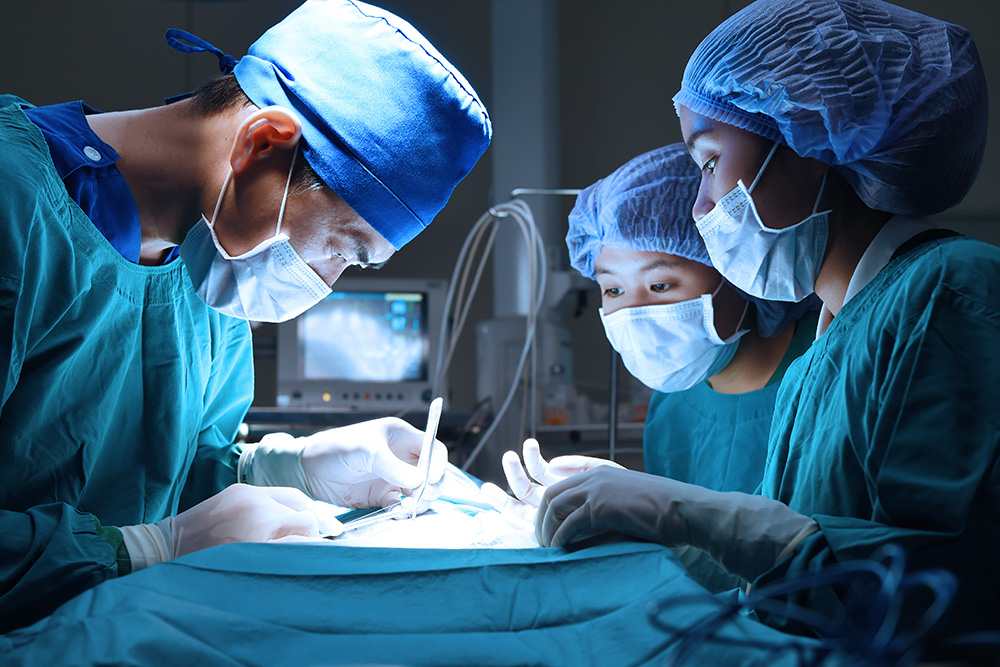
Laparoscopy is a minimally invasive technique used to view internal structures of the abdomen. A laparoscope (camera) is inserted through the incision site and used to magnify the internal structure onto a TV monitor.  Laparoscopy allows a veterinarian to do a more thorough examination while creating a much smaller incision site. This minimizes tissue trauma, decreases pain, and improves patient recovery.

Laparoscopy is used for many different surgical procedures including spays, biopsy, abdominal exploratory surgery, and examination of the ears and nose. Laparoscopy is most commonly used for spays. In a traditional spay (ovariohysterectomy) the ovaries and uterus are removed creating an incision of about 2-4 inches. With the use of a laparoscope a veterinarian is able to perform an ovariectomy where only the ovaries are removed by creating two small incisions typically ¼ - ½ inch in size.  Research has shown that females experience far less surgical stress, up to 65% less post-operative pain, and quicker recovery time.

The disadvantage to a laparoscopic procedure is that they tend to cost a bit more. This is due to additional training required by the veterinarian and significant investments in specially designed instruments like the scope, monitor, table, and port used during laparoscopic procedures.

Take moment and watch a video on laparoscopy given by Dr. Humphries on myvnn.com.

Our goal at Animal Care Clinic is to minimize your pet’s pain. Withthe assistance of laparoscopy, we hope to get your pets back to doing what they really love - playing ball or snoozing in the sunshine - as soon as possible. We will be offering laparoscopic procedures upon the completion of our remodel as soon as June 2011.

Chocolate Toxicity – Share your love with a real kiss instead of a Hershey’s Kiss


As we approach Valentine’s Day it is important to remember that even though many of us show our love through sharing/eating chocolate, we can’t show our appreciation for our pets the same way. Chocolate can be toxic to animals in sufficient quantities. This does not mean that if your dog ate one chocolate M&M you must run to the emergency clinic. Chocolate is toxic to both cats and dogs, however cats tend to be much pickier in their food selection and tend to not favor chocolate. Dogs however find it as yummy as most of  us do.

The Cacao bean contains Theobromine, a chemical that humans can easily break down and digest, however animals are unable to. It may take up to 17.5 hours to show evidence of chocolate ingestion, but symptoms can begin as soon as 12 hours. Toxicity from chocolate can affect the nervous system as well as the cardiovascular system. So remember that the more Cacao bean in chocolate the more theobromine it contains and the more toxic it can be. All chocolate contains some level of theobromine including milk chocolate and white chocolate, however the more pure, dark, and unsweetened the chocolate is the more Theobromine it contains.

The most common clinical signs include:
Hyper excitement & listlessness
Vomiting & diarrhea
Excessive drinking & urinating
Muscle tremors & seizures
Increased urination
Muscle tremors
In extreme cases coma & death

Treatment:
Unfortunately there is no antidote for chocolate toxicity. When your pet has consumed chocolate and the quantity is unknown the best thing to do is contact your veterinarian immediately! Induce vomiting within the first 1-2 hours is the best first step and administering charcoal will inhibit the absorption of toxins. Supportive care through IV fluids will help prevent dehydration. In extreme cases medications to prevent seizures, muscle tremors, and/or regulate heart rate may be used.

So on Valentine’s Day it is OK to keep the box of chocolates all to yourself!!

Leptospirosis


When we take our four footed friends to a park or river to play, we would like to think that nothing can harm them. Unfortunately, these areas are also playgrounds for bacterial bugs that can be very dangerous to your pets if they are not properly vaccinated. The State Veterinarian of Oregon has released a warning of increased reported cases of Leptospirosis (Lepto).

What is Leptospirosis…?
Leptospirosis is a very contagious and potentially fatal bacterial disease. Many animals like livestock, wildlife (deer, raccoons, skunks, or rats) as well as infected dogs and cats can transfer this disease through their urine and contaminate water sources. Your pets can be infected with Leptospirosis by drinking, walking or swimming in contaminated water. Although cats can be at risk of contracting Leptospirosis, they appear to have a natural immune resistance, so they are not vaccinated for this disease.

What happens if my pet gets Leptospirosis…?
As the bacteria enters the bloodstream it multiplies rapidly in many areas of the body tissue. Depending on the strain of Leptospirosis it can affect the kidneys, liver, lungs, spleen, eyes, and genital tract. Signs can vary from a minor fever to vomiting, severe dehydration, lethargy, shivering, muscle tenderness, and jaundice. Leptospirosis is treated through fluid therapy, antibiotics, and in severe cases hemodialysis. As your pet recovers from the disease, the bacteria can persist in the kidneys and your pet now becomes a carrier of the disease for months after apparent recovery.

Can I get Leptospirosis…?
It is possible for humans to contract this disease. The US Center for Disease Control estimates that up to 200 human cases are reported each year. Children, individuals who participate in water sports, or individuals with occupational exposure are considered to have a higher risk of exposure. Leptospirosis is rarely fatal in humans however it can still cause malaise.

What can I do to protect our four footed as well as two footed family members?
Since Lepto has become more pervasive, the State Veterinarian has recommended that pets who are considered to be at risk of exposure should be vaccinated. While all canine breeds are susceptible to Leptospirosis, hunting, hiking, working, and show dogs are considered to be at a higher risk of exposure. Routine vaccinations are the best way to prevent the spread of disease.

CATS…..Scratching is a natural behavior!


LESSON ONE – scratching is a natural behavior. You must understand this if you hope to make any headway in winning the battle to keep them from scratching in places you consider undesirable.

LESSON TWO – you can’t keep your cat from scratching. You can’t make a cat do anything they don’t want to do. Getting them to stop something they enjoy is just about as difficult. Therefore, you have to think smart. This is about re-channel them in to scratching where you want them to.

LESSON THREE – why do cats scratch? Scratching is a territorial instinct by which cats place their mark and establish their turf. Scratching also serves to keep your cat in shape, it’s exercise. It feels good. It also keeps their nails clean and sharp.

LESSON FOUR – provide your cat with an appropriate scratching post (horizontal and vertical). Cats like rough surfaces that they can shred to pieces. Whatever post you choose, it must be tall enough for them to fully extend their body, (usually at least 28″) and most importantly, it must be secure. If it topples over even once, they won’t go back to it. Also get a horizontal scratching pad (corrugated scratching pads come in all shapes and sizes and cats seem to love them) or a rug (reverse side works too). Secure this to the floor.

LESSON FIVE – how to get kitty to prefer the post/scratch pad/rug Remember that scratching is the cat’s desire to mark territory, so a post should be in an area that is used by the family, not hidden in a back corner. After a time, you can move the post away to a periphery of the room, but you’ll need to do this gradually. Initially, put the post where your cat goes to scratch. You may need more than one post/pad to cover their favorite spots. Encourage your kitty to use its post with clever enticements. Feed your pet and play with them by the post. Rub dried catnip into it. Reward with favorite treats when it gets used. Attach toys to it. If they are reluctant to give up the old scratching area, there are means you can use to discourage them. Cover the area with aluminum foil or double-sided tape. The back side of one of those large rolling mats (the kind you put under an office chair that sits on a rug) works great! Lemon or orange-scented sprays may also work well ….still persistent …try squirting them with a water gun (you have to catch them in the act!) or a loud noise-maker.

LESSON 6 – start young! If you are getting a kitten, consider yourself fortunate. It is much easier to initiate good habit patterns than to correct undesirable ones. Keep your pet’s nails trimmed (WE CAN HELP YOU THERE!)


Be patient.
Soft Paws  are an excellent alternative (we can apply these at Animal Care Clinic).
DO NOT PUNISH YOUR PET!


Ethics of Proper Pain Management: Legislative Amendment OAR 875-015-0030

Ethics of Proper Pain Management:
Legislative Amendment OAR 875-015-0030

As modern veterinary medicine progresses, changes in standards of veterinary care improve. Over the last year there have been significant changes to statutes regarding the minimum standards veterinarians must use for surgical procedures. The amended rule requires provision of minimum levels of pain control and sedation. What does this really mean…? When your pet comes in for any surgical procedure such as spay, neuter, or dental your veterinarian must use minimum pain management. The veterinarian cannot omit this nor can the client decline it.

Some pet owners believe we as humans experience pain differently than our four footed friends. This is a misnomer; animals share the same physiological makeup that allows us to process pain. It is also a misunderstanding that if an animal is anesthetized they do not need pain control. Even when under anesthesia our nervous systems are still working and processing pain associated with tissue damage and inflammation.

There are a number of different methods or modes to alleviating surgical pain. Multi-modal pain control is a combination of pain medications that alleviate pain as well as the stress associated with pain. It is the highest standard of care. At Animal Care Clinic, our doctors are strong proponents of multi-modal pain management. We use pain control drugs prior to and during surgery. We administer nerve blocks over the surgical site and “send home” pain medications to be used for the first few days following surgery. It is proven that reducing pain and the body’s response to it will provide quicker healing and comfort, minimizing the stress and complications associated with surgical procedures.

The important thing to remember is that although this new amendment requires veterinarians to use pain control for any surgical procedure it does not regulate when or how much pain control a veterinarian must use. It is the pet owner’s obligation to find out if their pet is receiving the best pain management for their procedure. The doctor and the owner must be the pet’s advocate working together as a team.